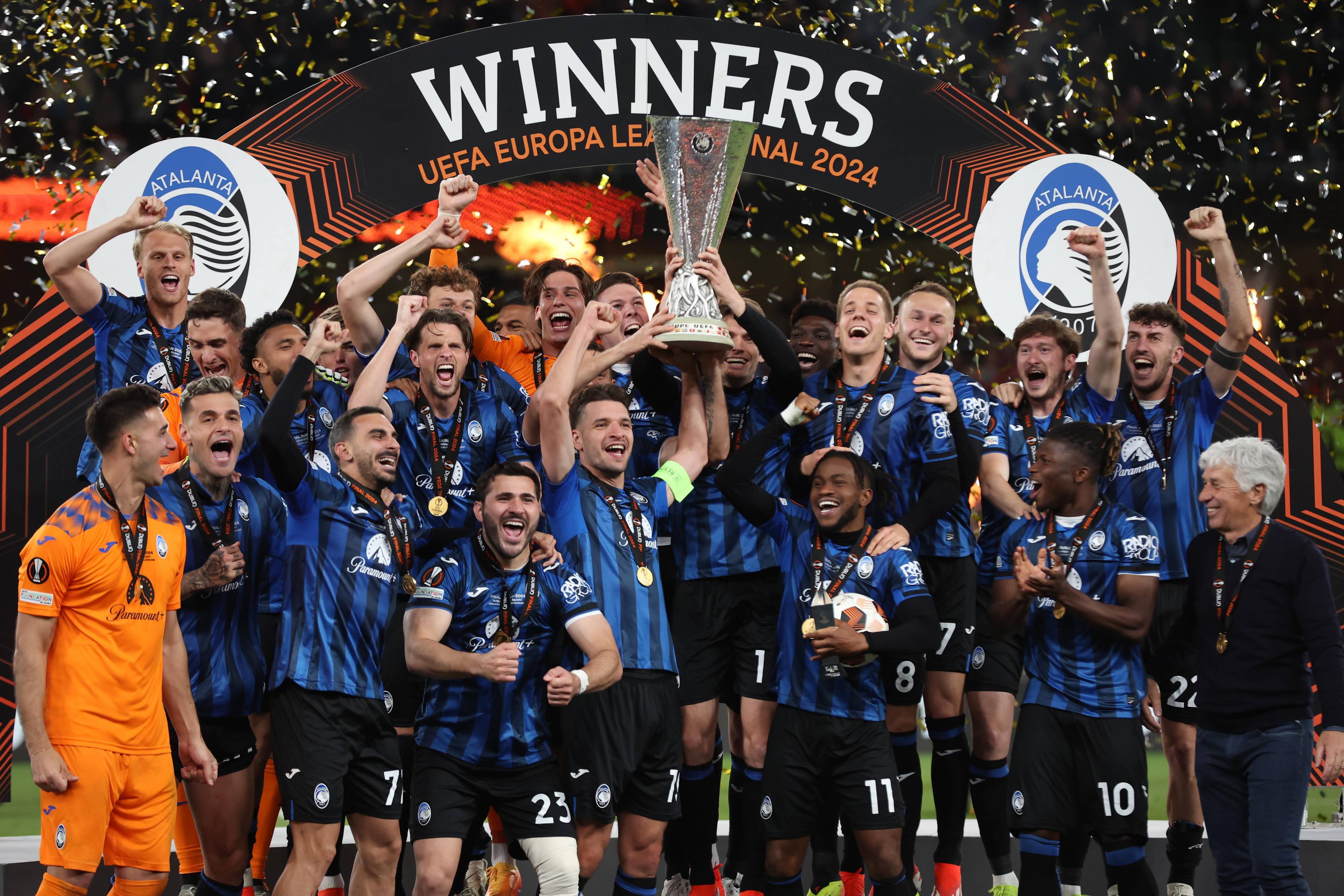
How Atalanta Turned Financial Discipline Into European Glory While Italy’s Giants Kept Paying to Start Again
Atalanta did not reach the Champions League, then win the Europa League, because they have rich owner and unlimited money or they found one exceptional coach or one exceptional player. They did it because Antonio Percassi’s club built a system capable of replacing both and became one of Italian football’s clearest lessons in sustainable ambition.
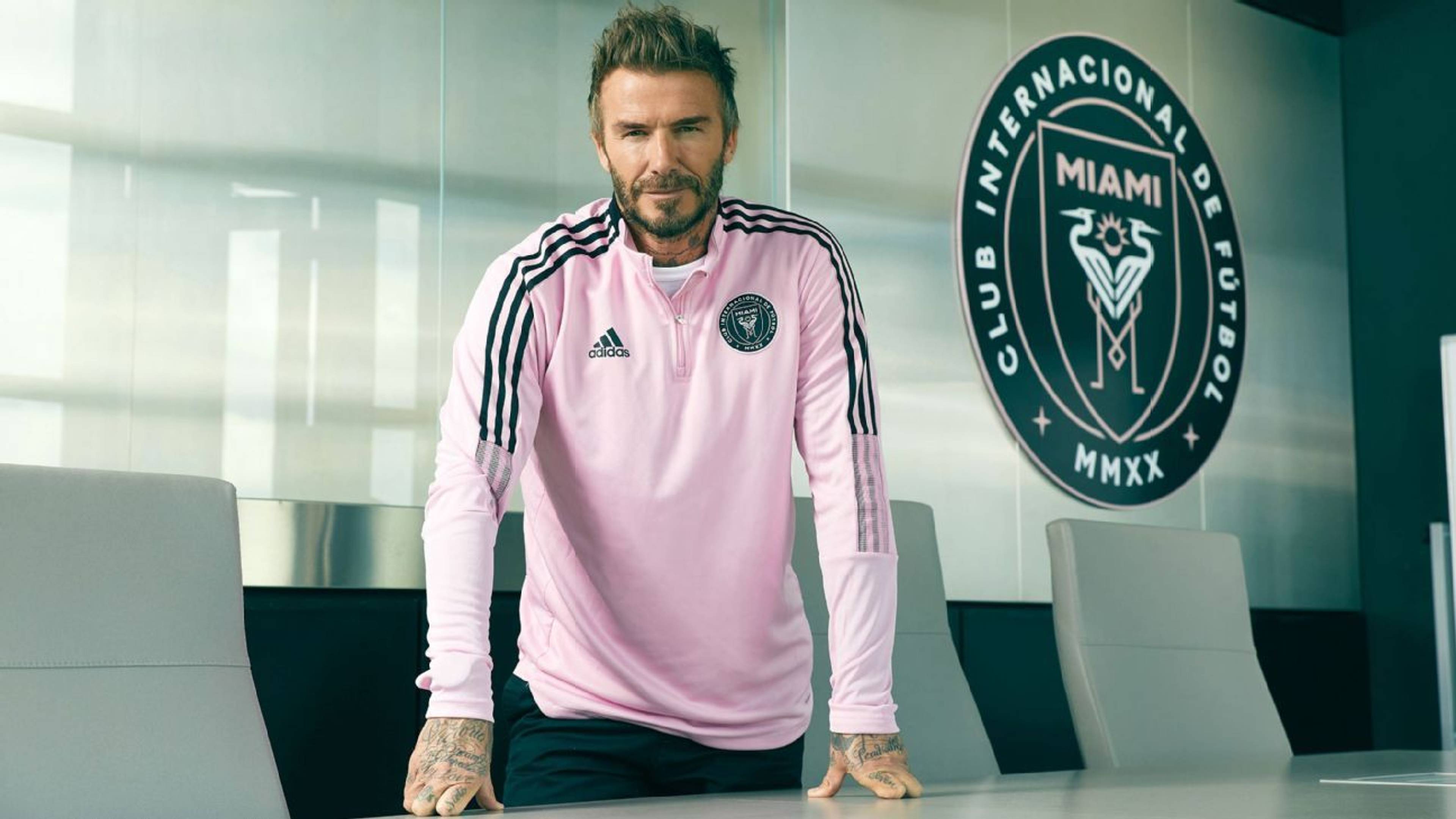
The $25 Million Masterstroke: How David Beckham Turned One Contract Clause Into Inter Miami
The $25m option became extraordinarily valuable because MLS expansion fees, franchise valuations, broadcast ambition, commercial revenue, and global attention all rose afterwards. Beckham had effectively obtained an option on a future asset before the market fully believed in that asset.
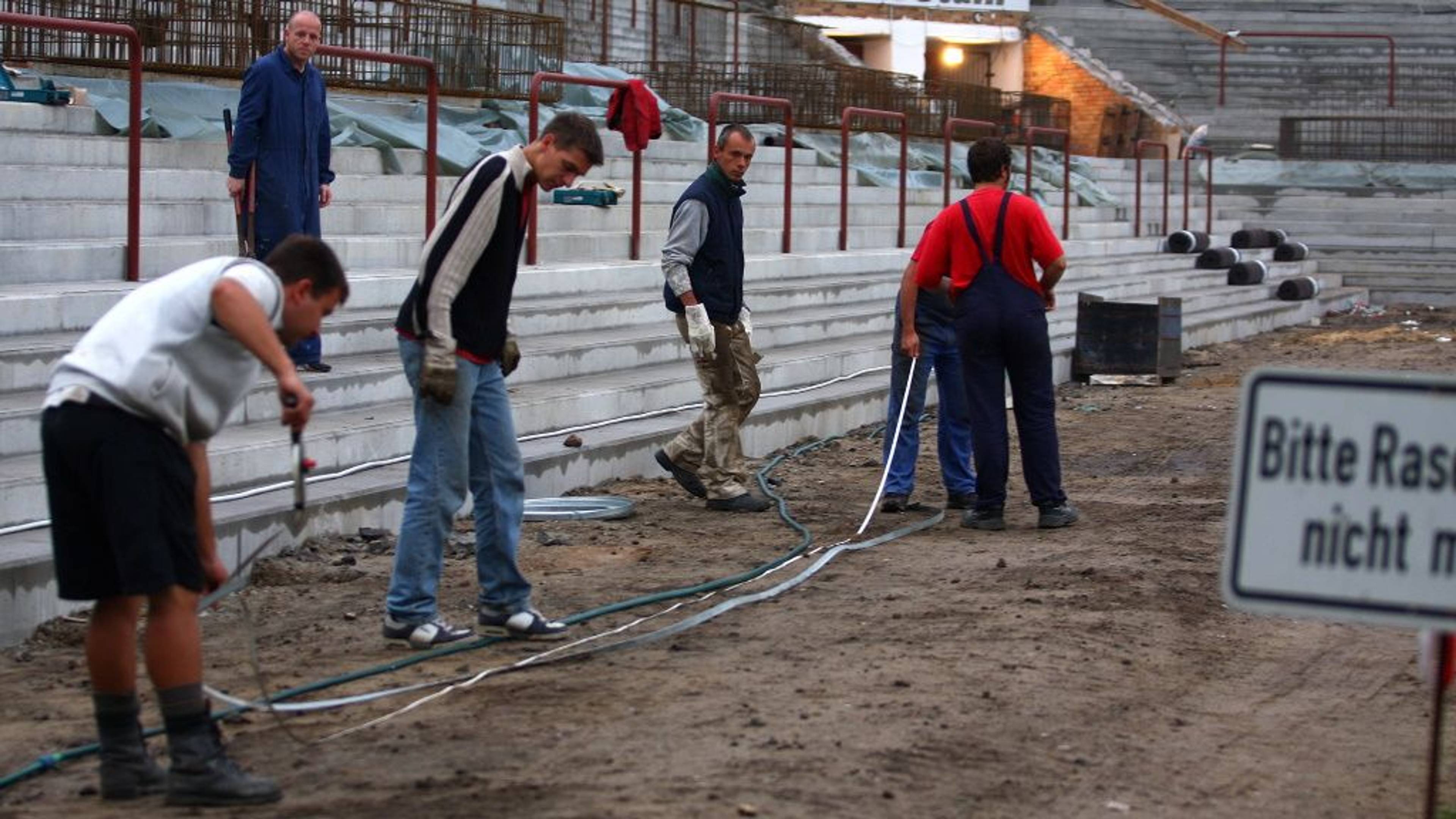
140,000 Hours of Belonging: How Union Berlin’s Supporters Rebuilt Their Stadium and Kept Their Club Feeling Like Home
More than 2,300 Union Berlin supporters volunteered around 140,000 hours to rebuild An der Alten Försterei. Their story is not only about a stadium in Köpenick, but about a question modern football keeps avoiding: can a club grow without turning the people who built it into customers?
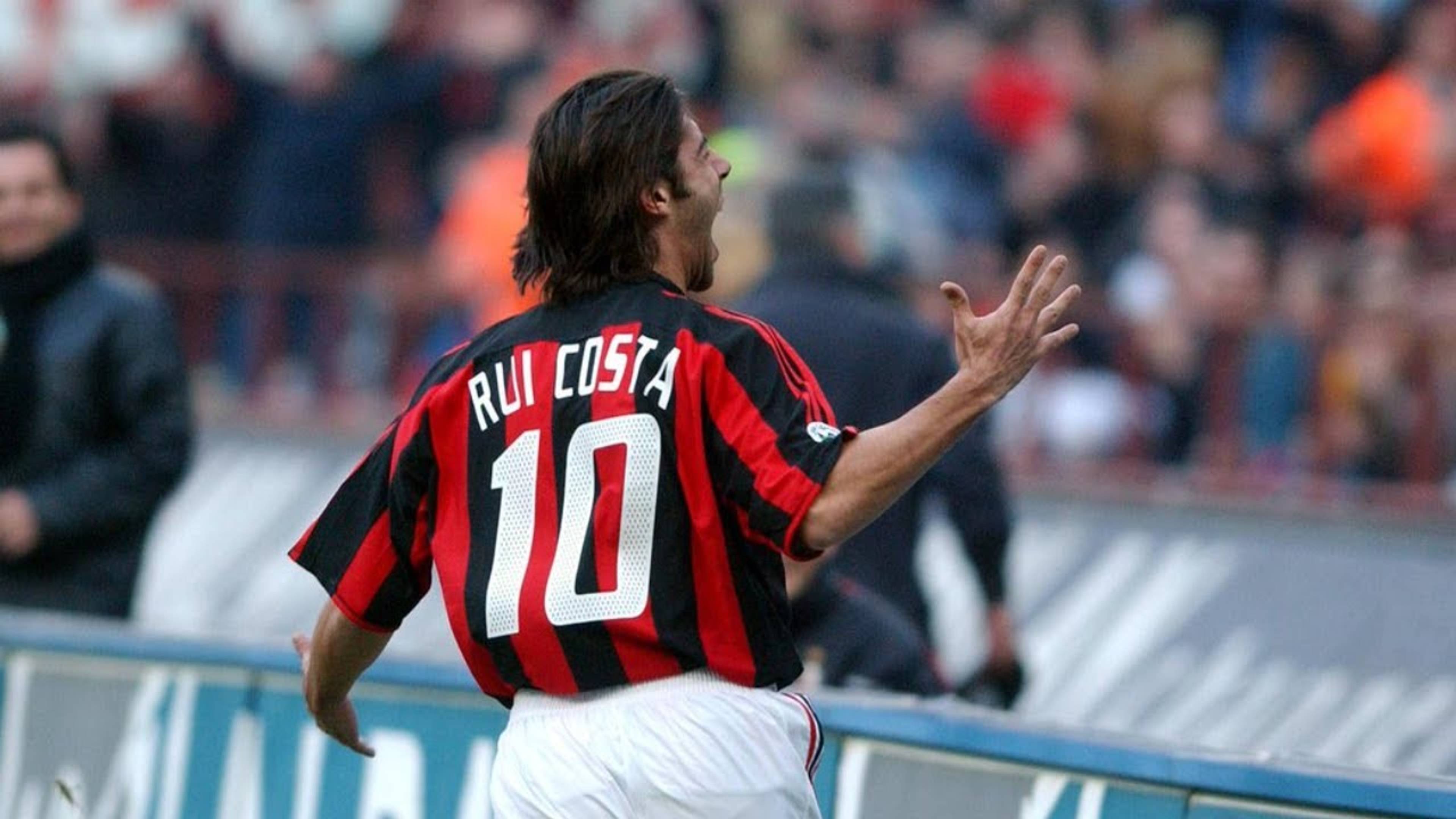
A Personal Exploration of How Modern Football Transformed Its Most Romantic Position
I grew up believing that every great team needed one player trusted to dream between the lines: someone who could slow a match down, see a pass before it existed, and make an entire attack feel possible. This is a personal journey from Rui Costa and Zidane to Ødegaard and Wirtz, tracing how pressing, compact spaces and tactical evolution transformed football’s most romantic position.
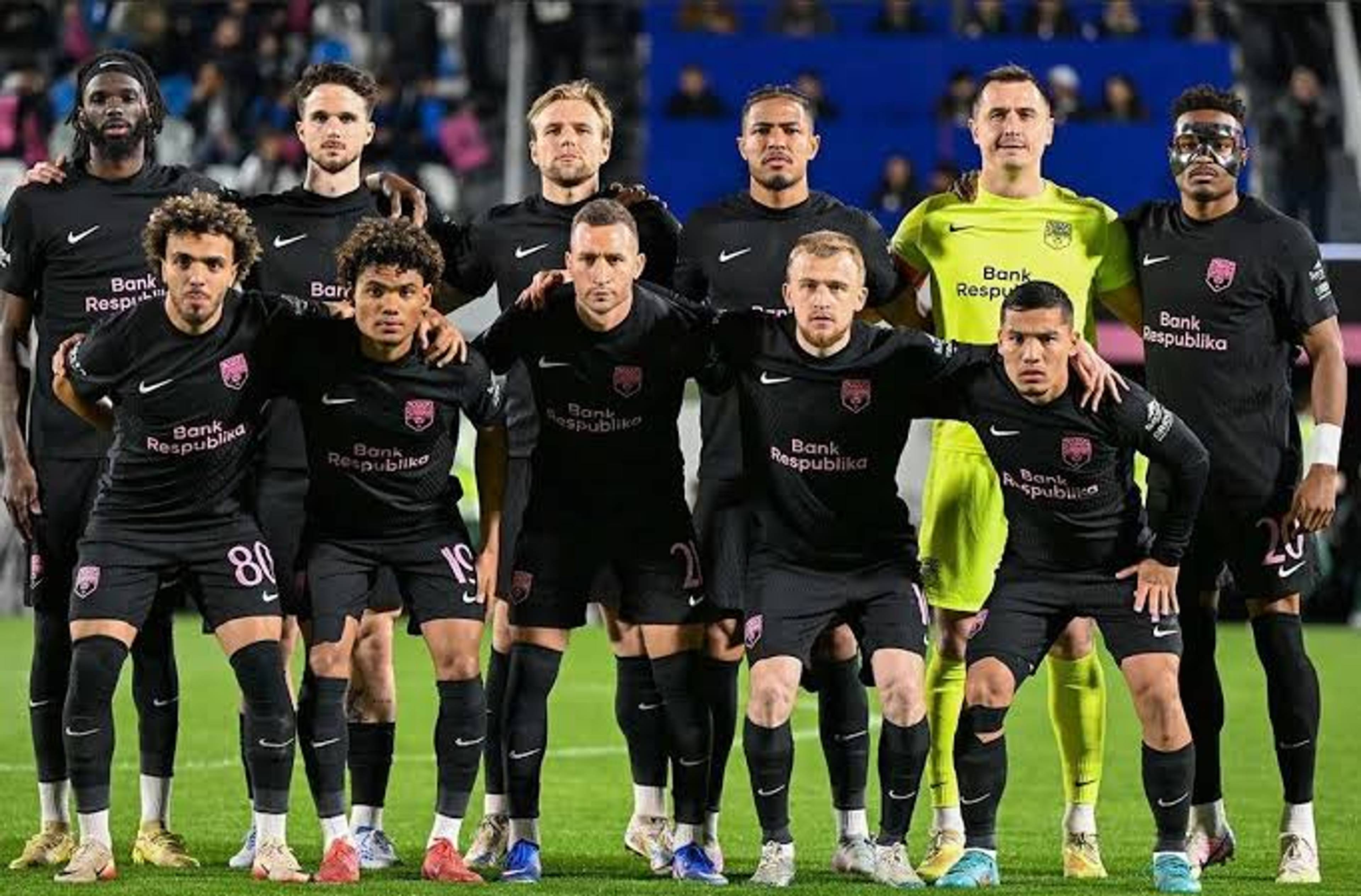
The Strange Origin Story Behind Europe’s Youngest Champions League Club: Sabah FK
Before the Champions League, there was Vətən. What looked like another story of a wealthy businessman building a football club led me instead to an old state-backed football school, Azerbaijan's education system, private capital, AFFA, and a missing bridge between youth football and the professional game.

The Smallest Club in the Biggest Dream
Sabah FK lost 0–4 to Manchester United at Old Trafford. But behind the scoreline is a remarkable story of a club founded in 2017, a manager who began his football journey with a television quiz prize, and a dream that travelled from Lithuania to the biggest stage in European football.
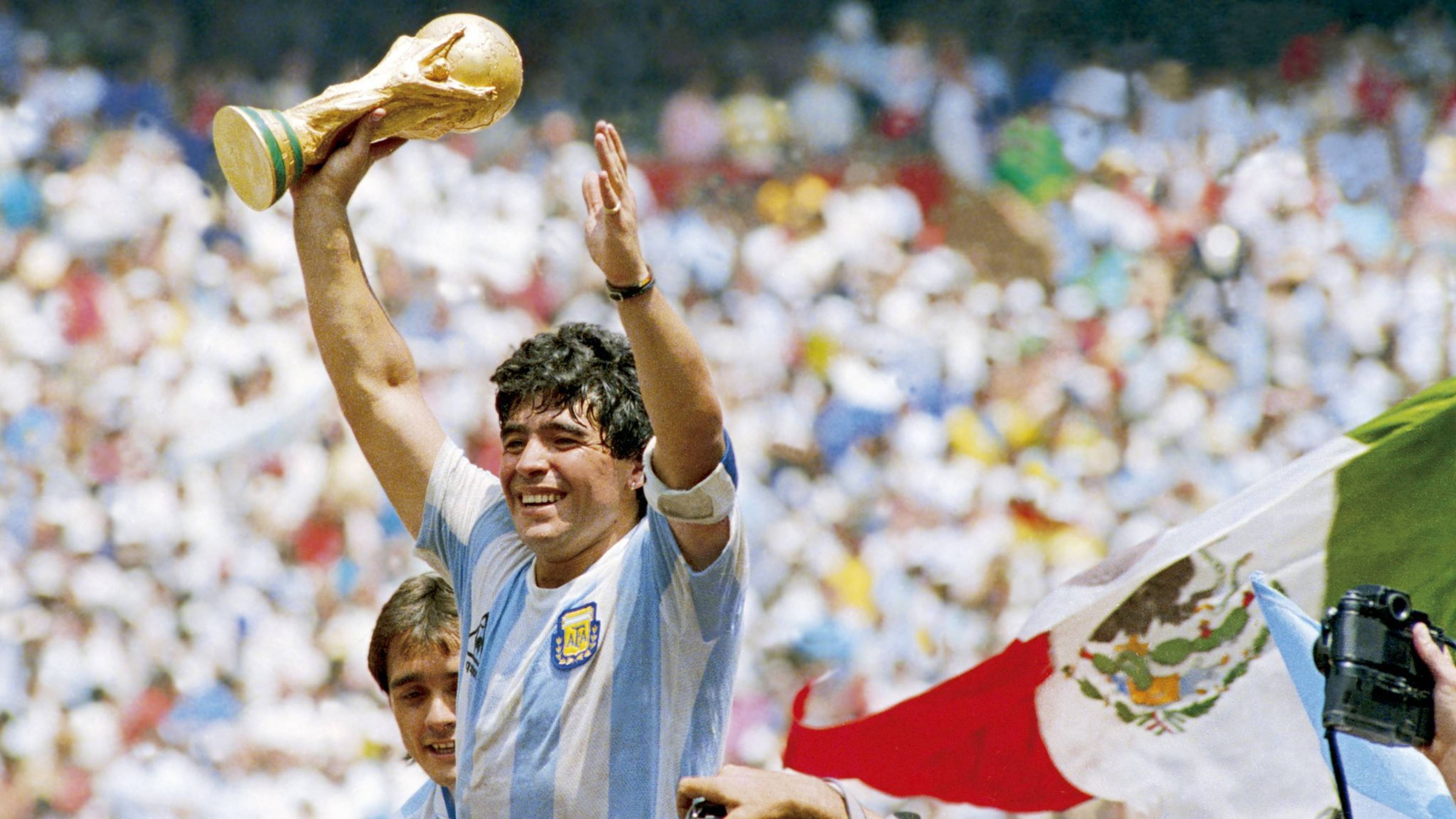
Diego Armando Maradona: The Greatest Player Football Has Ever Known
I never watched Diego Maradona at his peak, yet no footballer has ever felt greater. This is the story of his genius, rebellion, tragedy, and immortality.
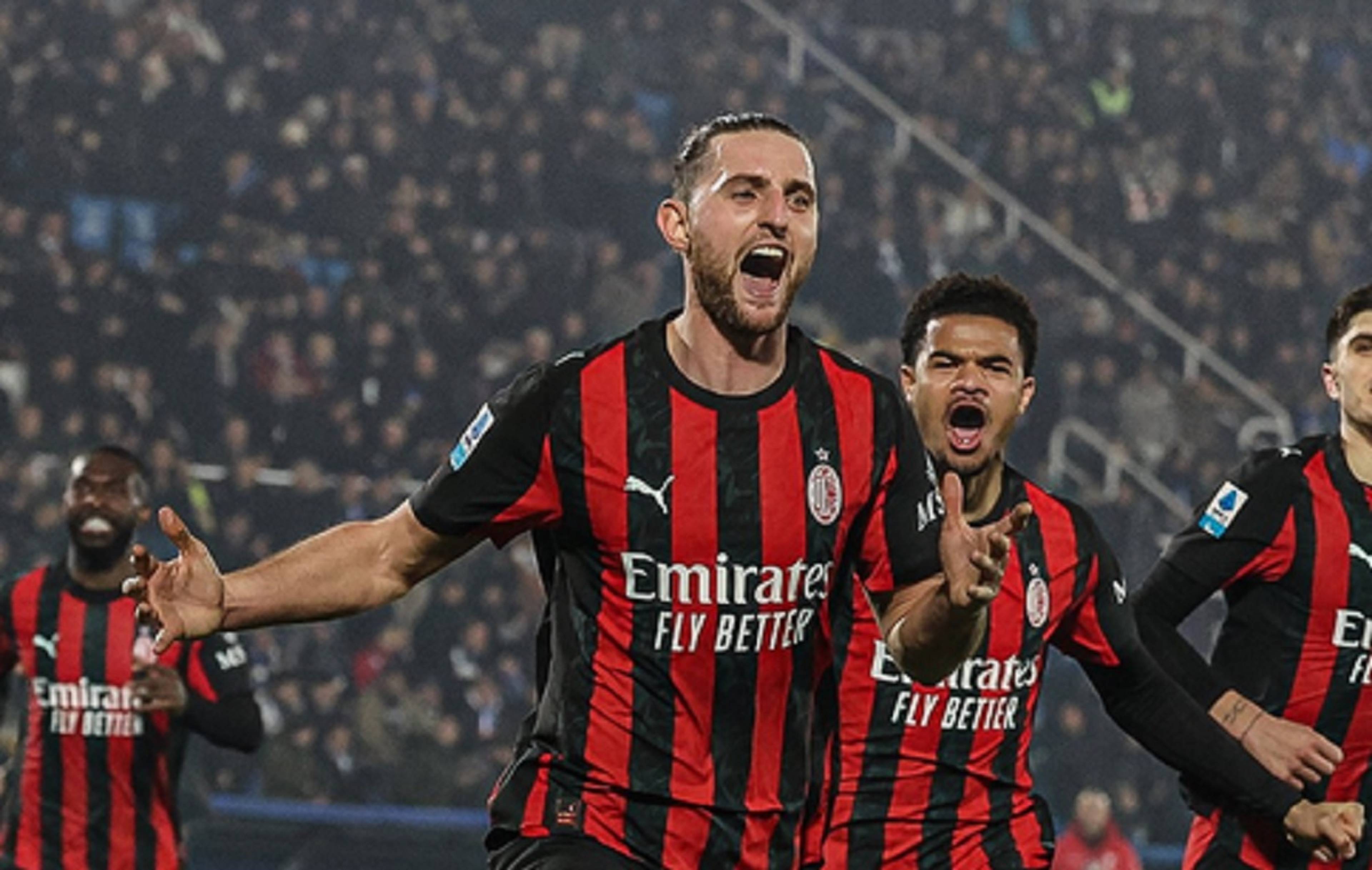
Football Isn't Gymnastics, Cesc: You Don't Get Points for Playing Beautifully
"We made 700 passes, they made 200. It’s unbelievable." That was Fàbregas’s post-match verdict. But in the modern game, possession without penetration is just cardio. While Como painted pretty geometric shapes in the middle third, AC Milan delivered a masterclass in game-state management and ruthless transition efficiency.
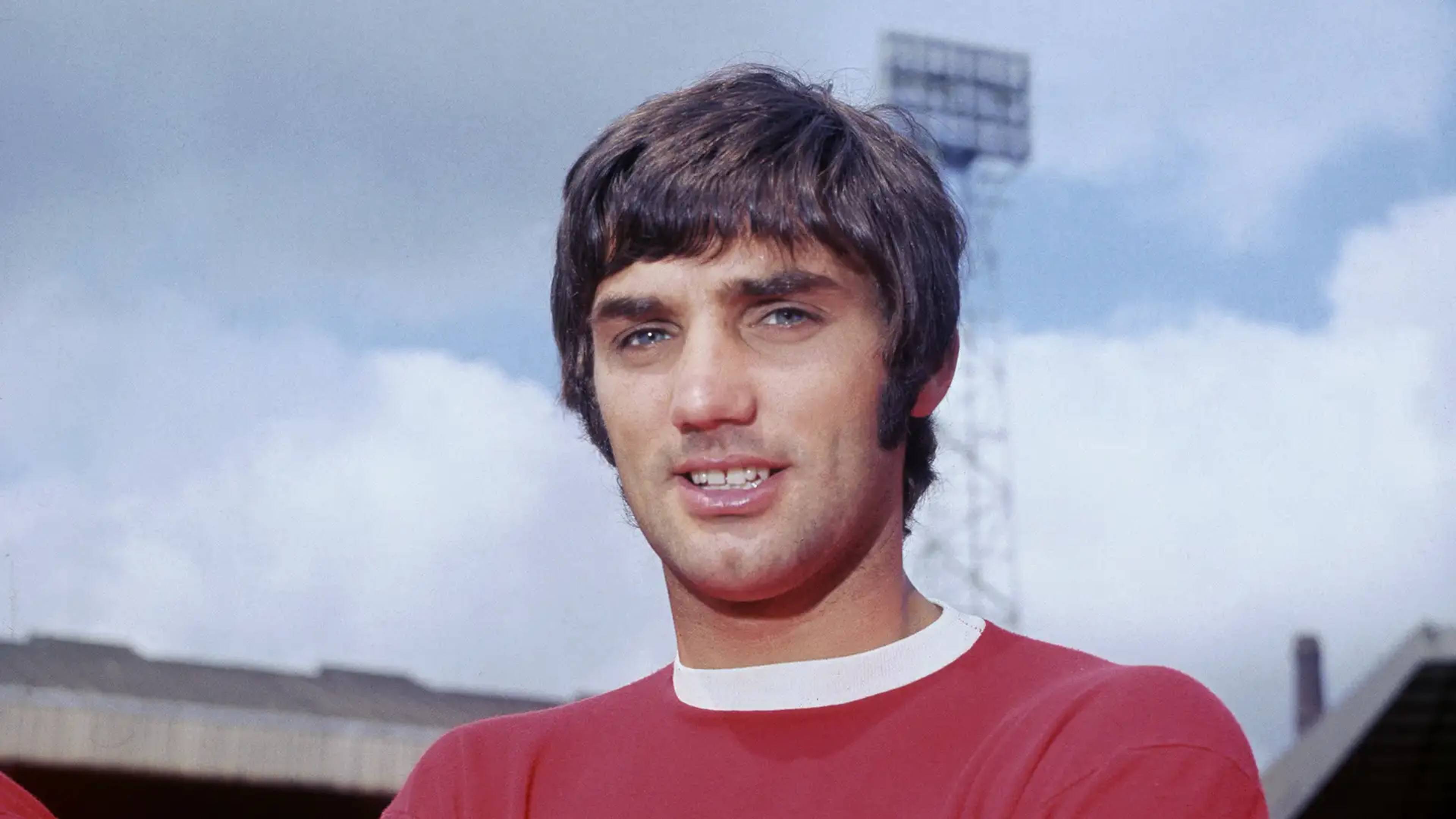
George Best: The Fifth Beatle, The First Rockstar, The Beautiful Tragedy
If you listen closely to the streets of Belfast or the terraces of Old Trafford, you can still hear the echo. It’s not the roar of a goal; it’s the gasp of disbelief. That was George Best’s currency. He didn't just score goals; he stole breath. They called him the "Fifth Beatle." It was a clever nickname, but it was wrong. The Beatles were a band, they had each other. George Best was alone. He was the first rockstar of football, a shy boy from Cregagh who was thrust onto a stage so bright it eventually burned him alive.
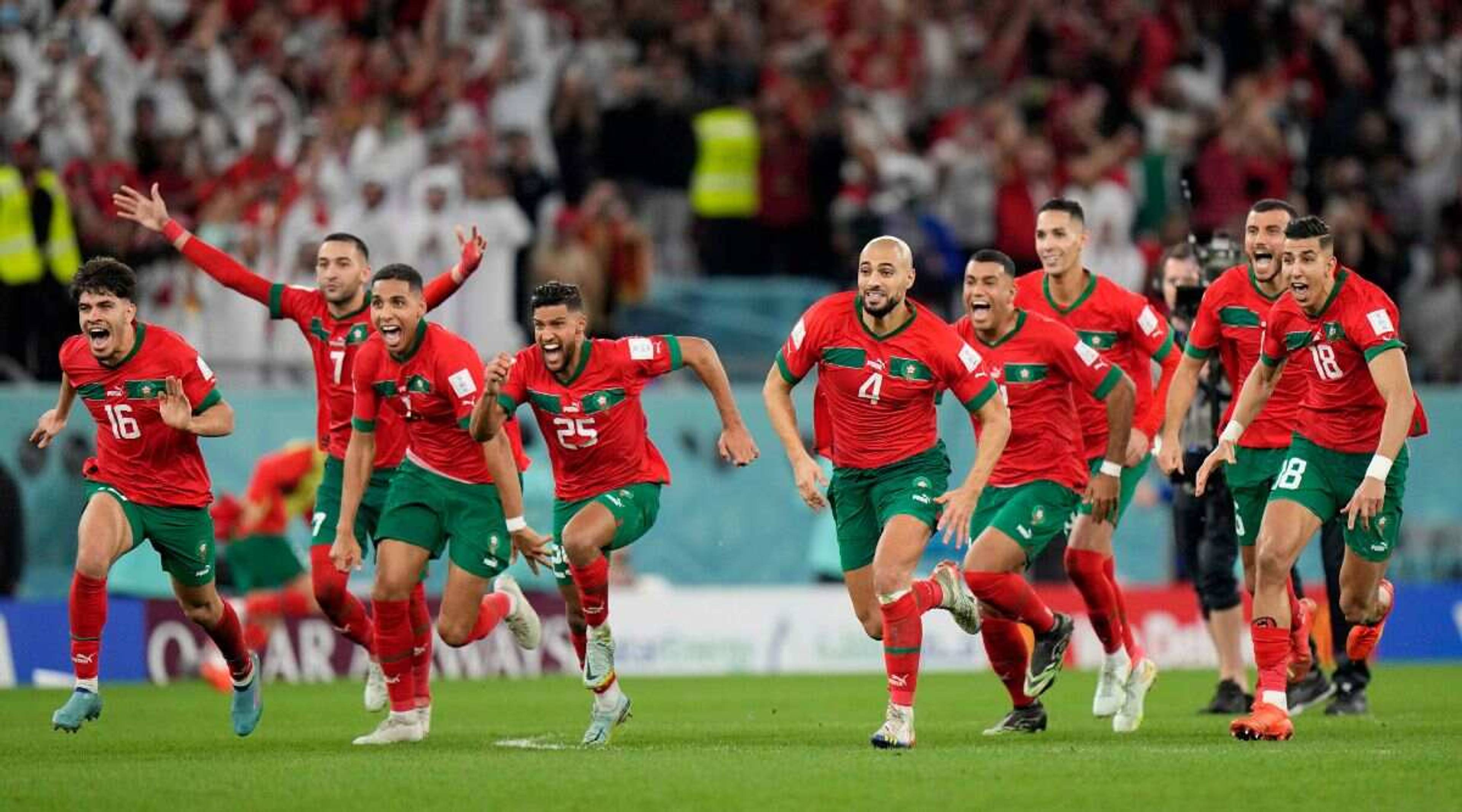
Beyond Morocco's World Cup 2022 Miracle: The $2 Billion Economic Impact
From the initial shockwaves of the 2022 World Cup miracle to the sustained dominance of the AFCON 2026 semifinals, this is the definitive story of how a sporting fairytale matured into a $2 billion economic engine, creating a lasting legacy that has fundamentally reshaped the North African landscape forever.
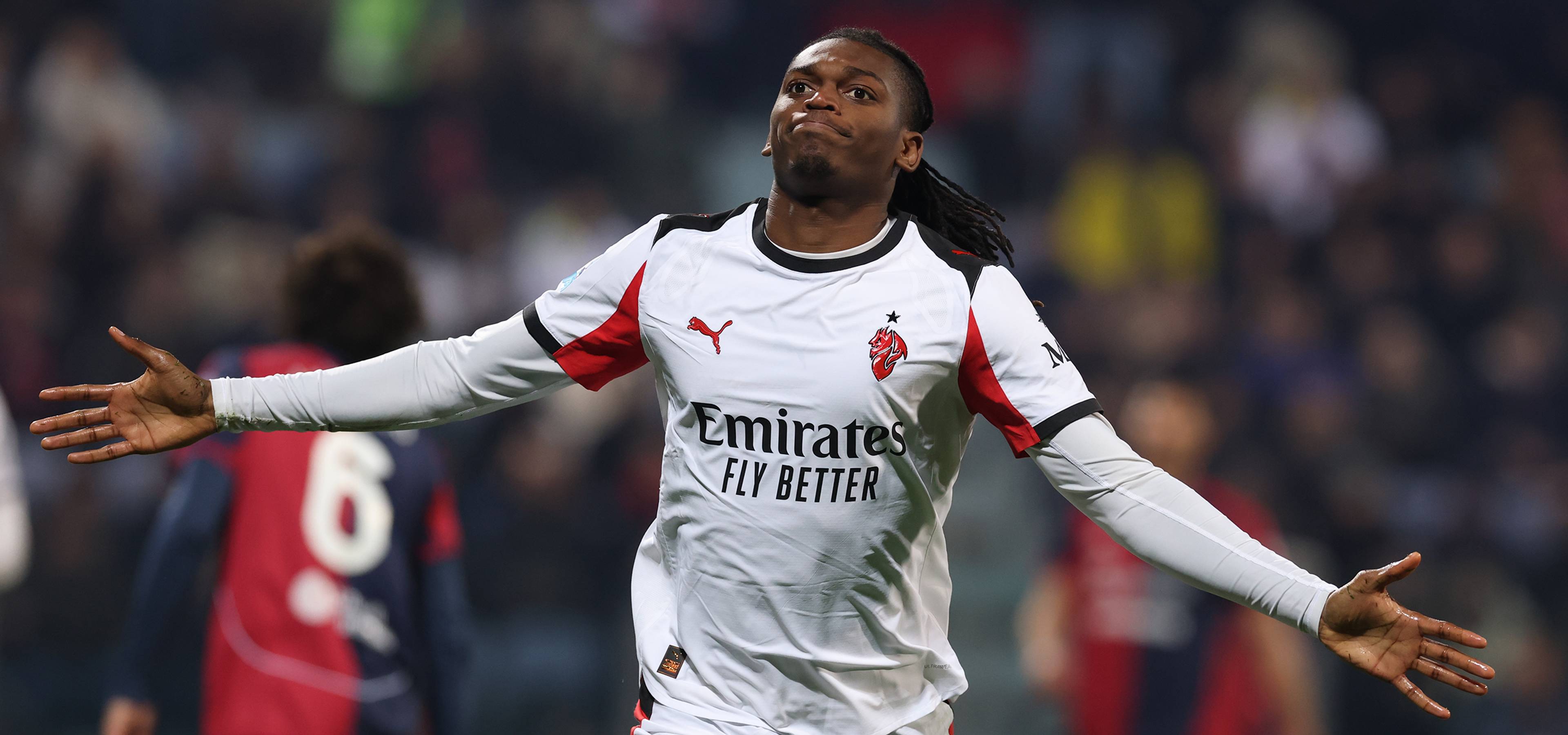
Cagliari 0-1 AC Milan: The Art of Winning Without Dominating
AC Milan started 2026 the way pragmatic teams do: not flashy, but with control. A sluggish first half turned into a measured second, and one decisive action from Rafael Leão separated the sides. The numbers tell a clean story, too: Milan won the shot battle, edged possession, and managed the game state after scoring. It was not a classic. It was a professional away win.
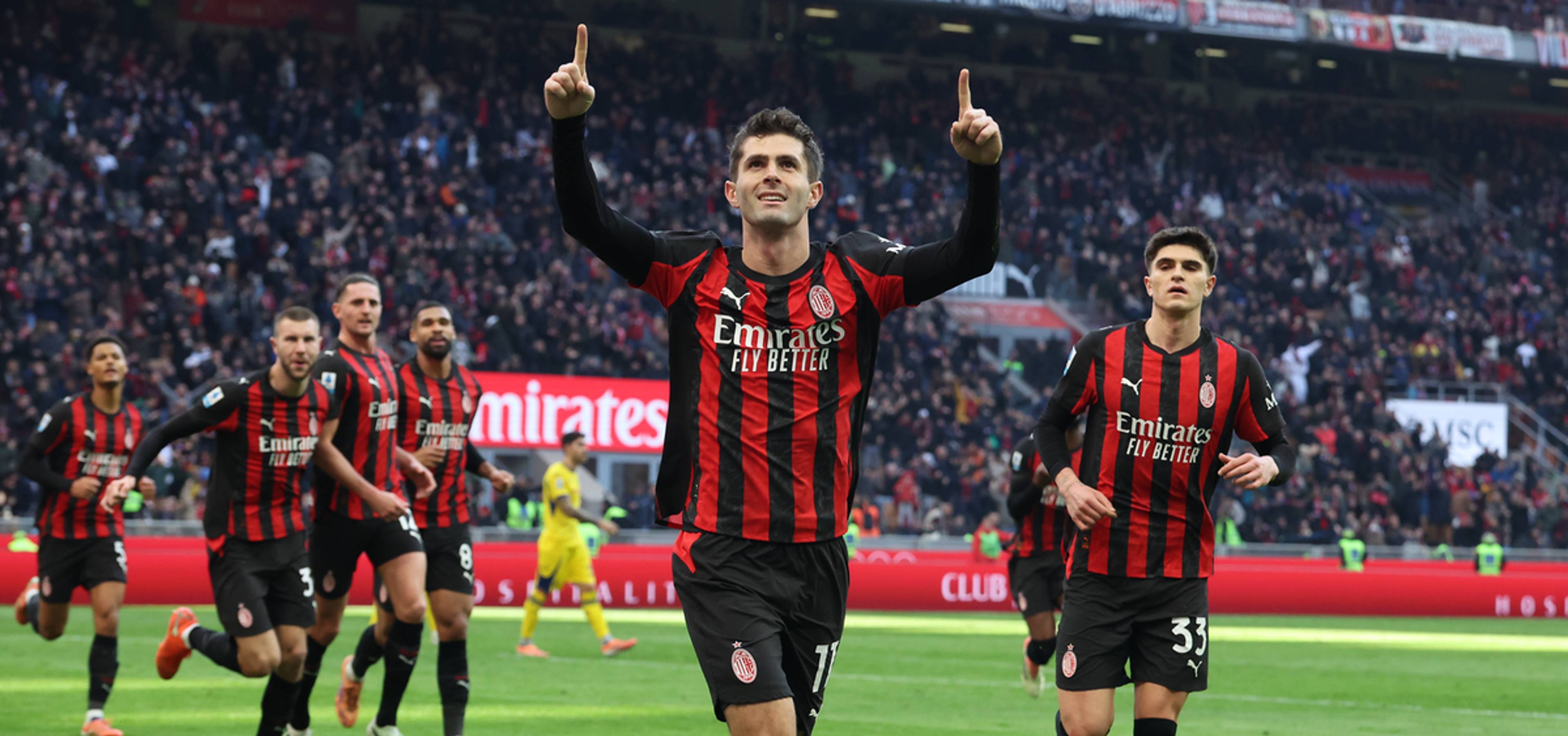
How AC Milan Score in 2025–26: Patterns After 16 Matches
Sixteen matches is not enough to judge a season. It is enough to spot habits. This analysis breaks down how AC Milan have scored their goals so far in 2025–26, focusing on creation zones, goal types, assist chains, timing, and game state. The aim is not to predict the table, but to describe the process taking shape underneath the results.
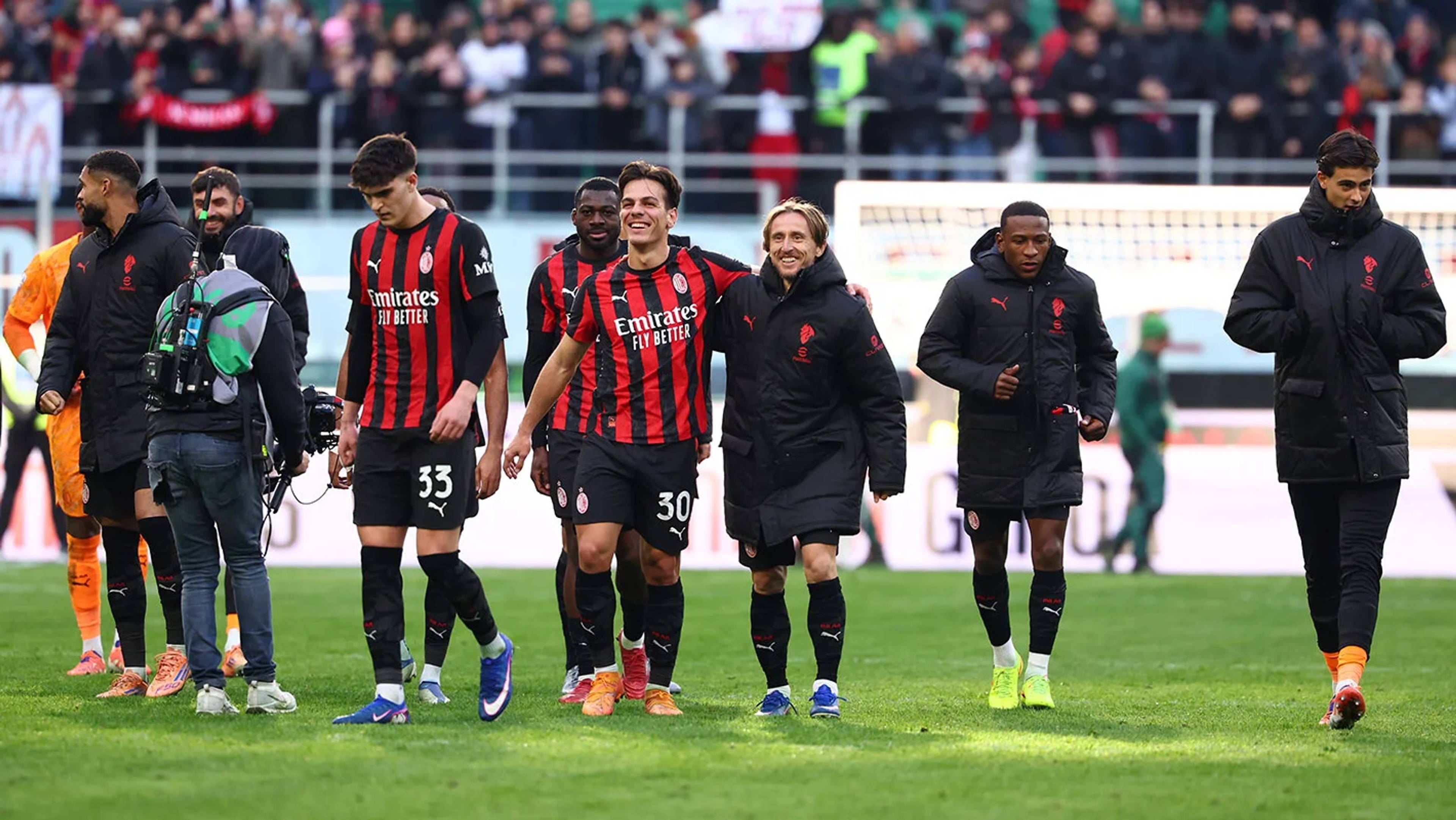
What a Way to End 2025: How Milan's 3-0 Masterclass Against Verona Proved We're Ready for the Scudetto!
It's the final match before the calendar flips to 2026. I'm sitting at home, coffee in hand, nervously scrolling through Twitter. The anxiety is real! "What if we slip up?" "What if Nkunku still doesn't score?" Then the match starts. And for the next 90 minutes, Milan didn't just beat Verona; we absolutely dismantled them 3-0 in a performance so complete that by the final whistle I was thinking one thing: "This is it. This is our year. Scudetto!"
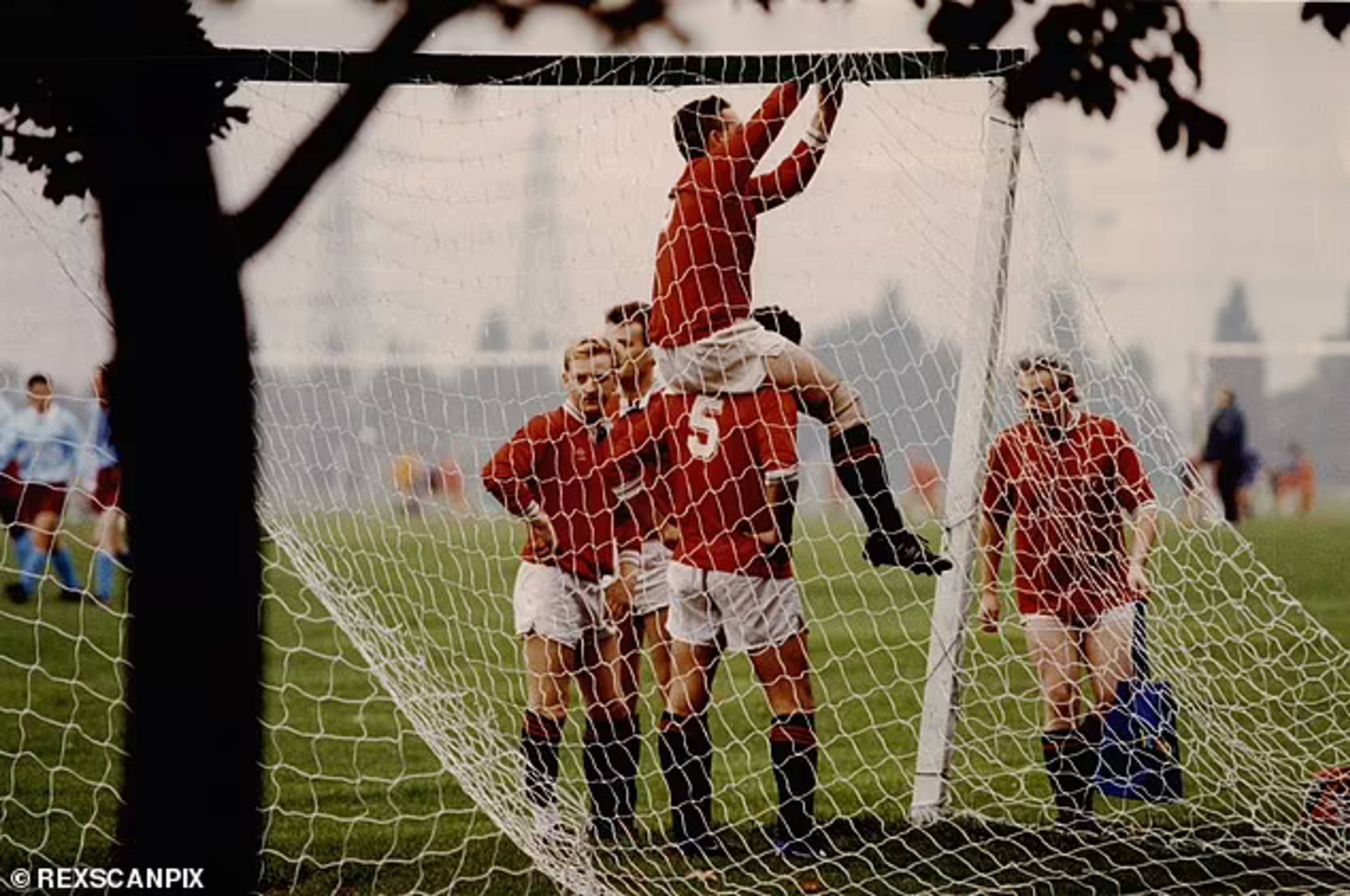
Sunday League Hangovers: Fat center-backs, smoking at halftime, and the beauty of amateur Football
Hackney Marshes stands as the spiritual cathedral of grassroots football, a 340-acre expanse where the beautiful game is stripped of its billion-dollar polish and returned to its rawest form. Built literally on the rubble of post-WWII London, it hosts thousands of players every Sunday who battle hangovers and freezing winds for nothing more than pride and a post-match pint.youtube Recently, this world of "fat center-backs" and halftime cigarettes has collided with global superstardom, from Ronaldo Nazário’s surreal cameo in Essex to David Beckham’s return to his East London roots.
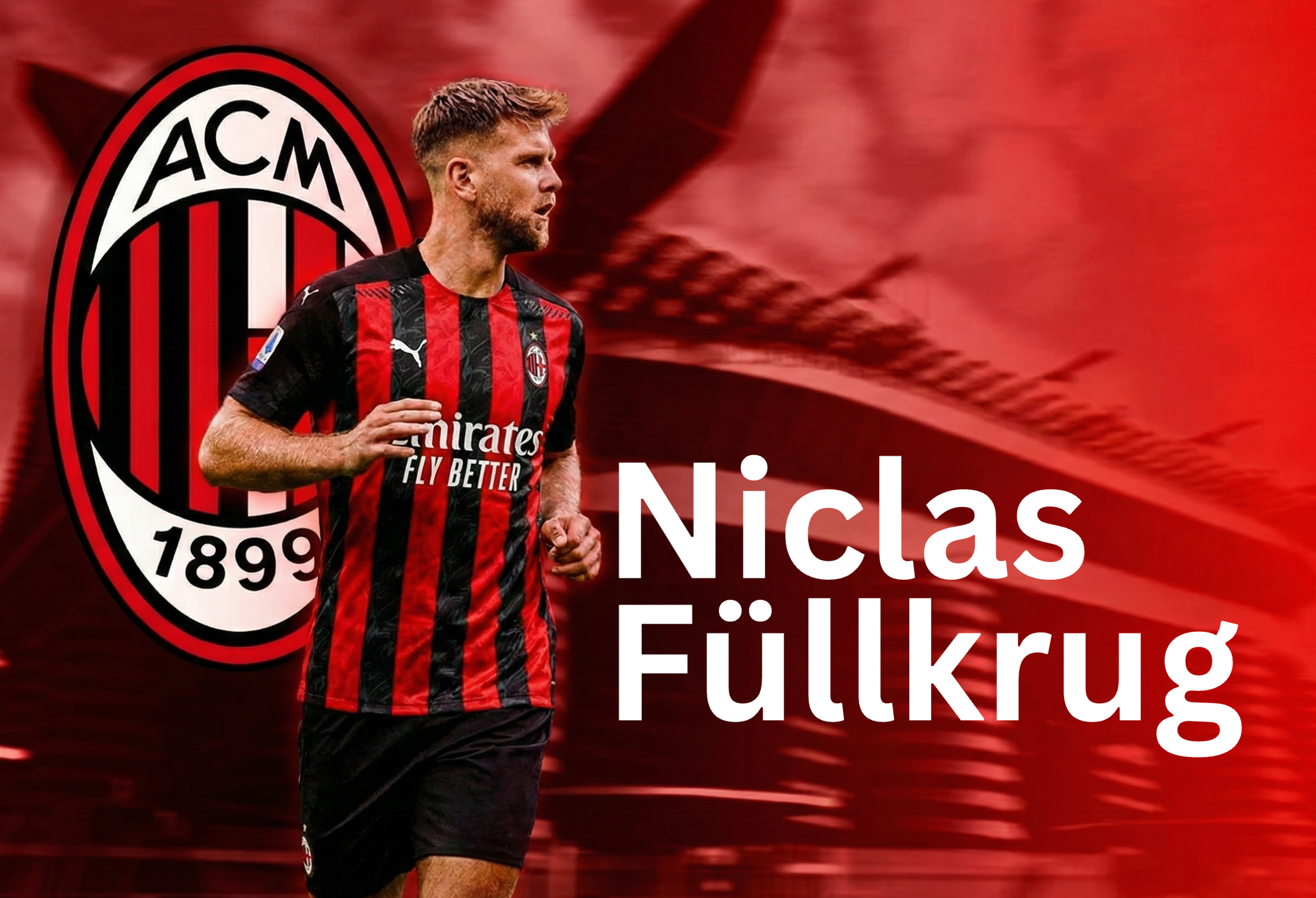
Füllkrug, Milan, and the No. 9 in Question: What the Data Actually Says
In the tactical landscape of modern football, the role of the traditional No. 9 has sparked intense debate among analysts and fans alike. This article delves into the unique profile of Niclas Füllkrug, a player whose aerial prowess and physical presence could provide AC Milan with the much-needed structural relief in their attacking strategy. Can Füllkrug's strengths transform Milan's approach, or will his style clash with the club's tactical identity? Let's analyze the data and uncover the truth behind Milan's No. 9 question.
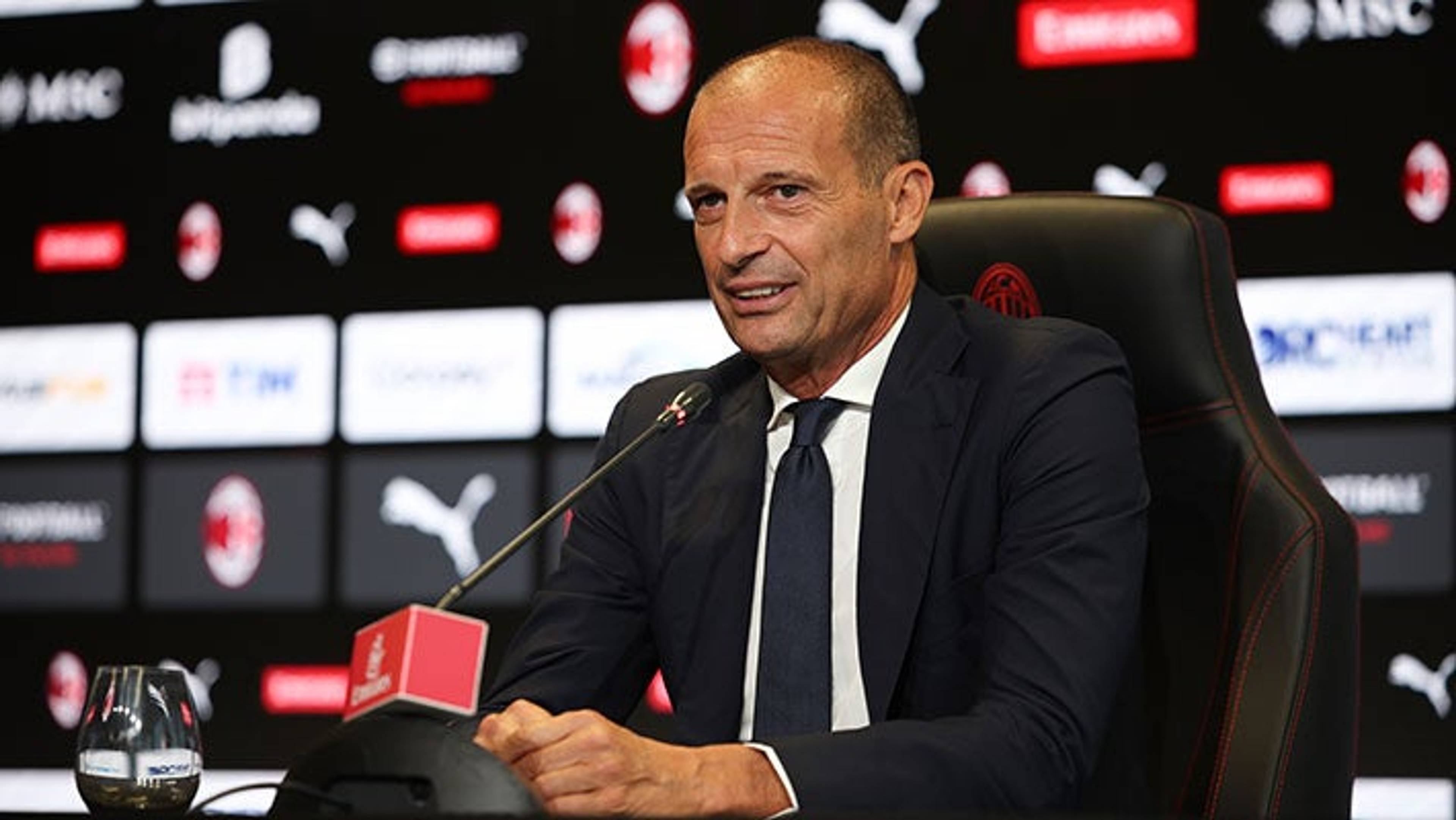
Allegri's No. 9 and the Art of Escaping Pressure
Here's the uncomfortable truth: in an Allegri-style team, the No. 9 is often less "hero" and more system component. Not a crown. A lever. A release valve. A way to turn pressure into territory, and territory into a moment. Allegri's best sides have been built to win different kinds of games rather than insisting on one pure ideology. That mindset fundamentally changes what "great striker play" even looks like. Sometimes it's not about domination, it's about survival with purpose. So if you want to understand Allegri's No. 9, don't start with highlights. Start with a question: when the game gets messy, who helps the team breathe?
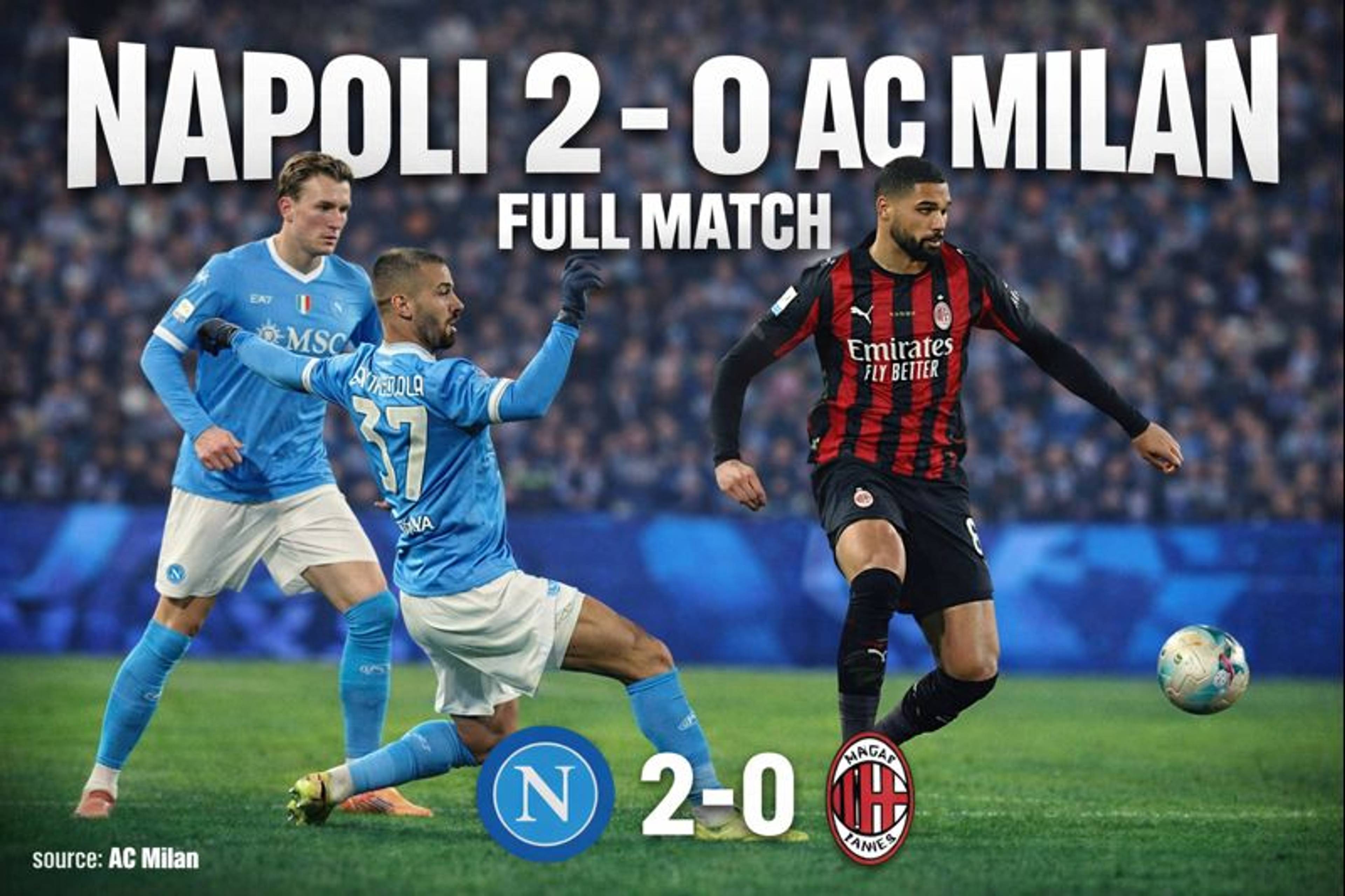
AC Milan 0–2 Napoli: The Warning Signs Milan Can’t Ignore Anymore
This wasn’t a bad night. It was a familiar pattern returning the moment Milan lost its stabilizers. Against Napoli, Milan didn’t just lose 0–2. Milan lost control of the game’s rhythm, the ability to reset under pressure, and the structural calm that prevents chaos from becoming dangerous. Those problems didn’t start with Napoli’s goals. They started earlier, quietly, in the same zones where Milan has struggled all season whenever certain profiles are missing. This match wasn’t about Napoli being brilliant. It was about Milan revealing how fragile its system still is when key roles are absent.